The Brutal Reality of Coachella Valley Summers
Summer in the Coachella Valley is spectacular, but the extreme desert heat is unforgiving. When temperatures routinely climb past 110 degrees in Palm Springs, Cathedral City, and Indio, your air conditioner transitions from a comfort feature to a safety system. Your AC works harder here than almost anywhere else in the country.
A sudden system failure during a July heatwave is an absolute emergency. The indoor temperature of a desert home can climb to dangerous levels in just a few hours. Fortunately, most summer AC breakdowns are preventable. Taking a proactive approach to maintenance before the extreme heat settles in can save you from costly emergency repairs and sleepless, sweltering nights.
Why Desert Heat is Hard on Your Air Conditioner
Air conditioners do not actually create cold air. Instead, they extract heat from inside your home and release it outdoors. This exchange process becomes significantly harder when the outdoor temperature exceeds 100 degrees.
Most air conditioning systems are engineered to operate most efficiently when the outdoor temperature is under 95 degrees. In the Coachella Valley, summer temperatures frequently exceed this threshold for weeks at a time. To keep your home at a comfortable 75 degrees, your system must overcome a 40-degree temperature differential. This forces the compressor and fan motors to run for longer cycles with less time to cool down between runs. Without proper preparation, minor wear and tear quickly escalates into a complete system shutdown.
Essential Steps to Prepare Your AC for Summer
You can perform several simple maintenance tasks yourself to protect your system. Taking these steps early in the spring will ensure your unit is ready for the heavy workload ahead.
1. Replace Air Filters Every Month
The desert is naturally dusty. High winds, sandstorms, and blowing dust from the surrounding mountains quickly clog air filters. A dirty filter restricts airflow, forcing your system to work twice as hard to pull air through the return ducts. This extra strain can cause the evaporator coil to freeze over, blocking all airflow and potentially damaging the compressor.
During the peak summer months, check your air filter every 30 days. If you live in an area prone to high winds, such as Desert Hot Springs or Thousand Palms, you may need to change it even more frequently. Use a filter with a MERV rating between 8 and 11 for the best balance of air filtration and system airflow.
2. Clear the Outdoor Condenser Unit
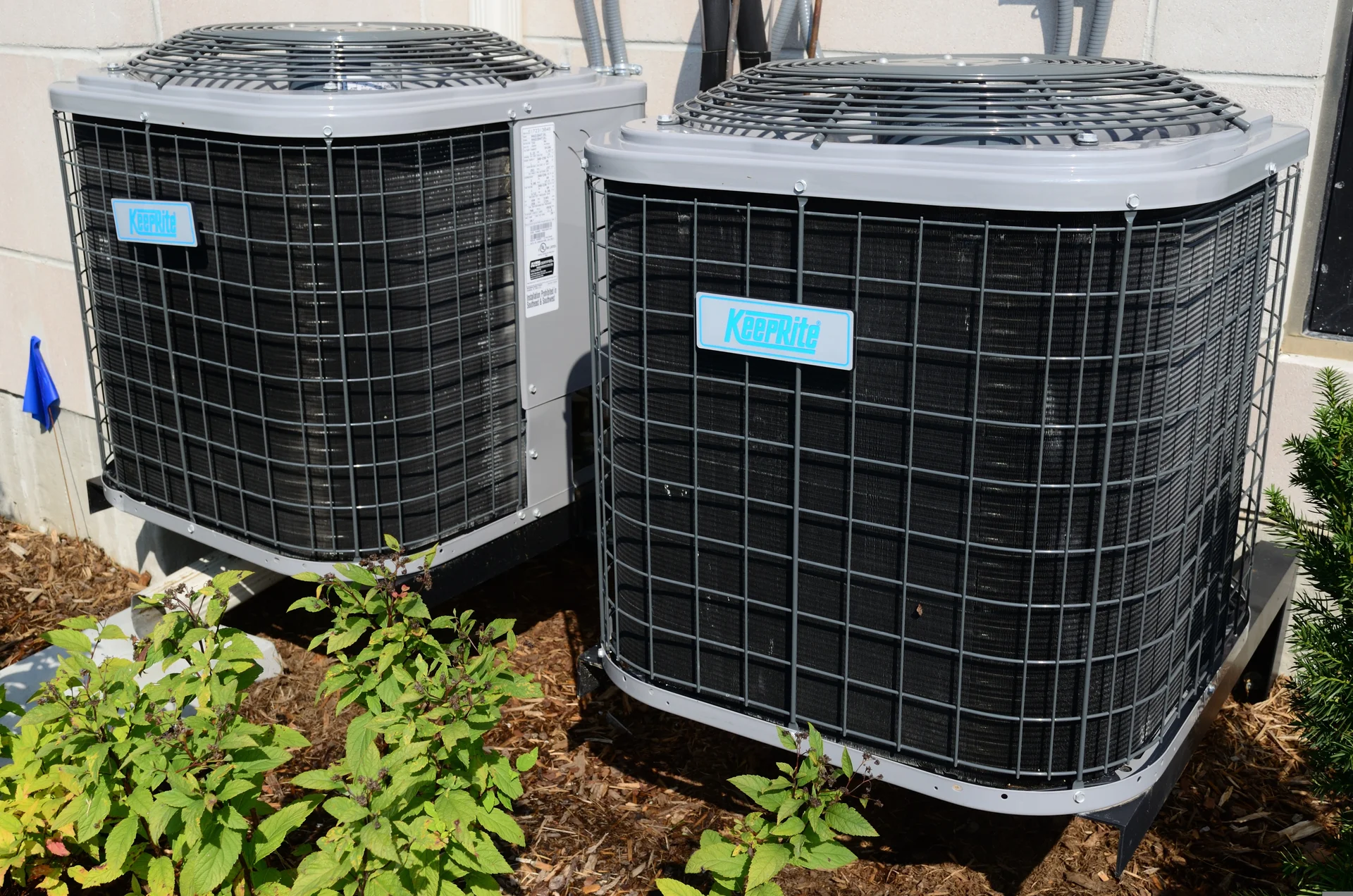
The outdoor unit, known as the condenser, needs plenty of space to release heat. Windblown sand, leaves from desert landscaping, and weeds can accumulate around the base of the unit. This debris insulates the condenser coils, trapping heat inside the system.
Keep a clear zone of at least two feet around your outdoor unit. Trim back shrubs, clear away dead weeds, and sweep away loose sand. You can also use a garden hose with a gentle spray nozzle to rinse dust and dirt off the metal fins of the unit. Never use a pressure washer, as the high pressure will bend the delicate aluminum fins and ruin the airflow.
3. Inspect the Condensate Drain Line
As your AC cools your home, it removes moisture from the air. This moisture drains out through a small plastic pipe, usually located near the outdoor unit. In the late summer, humidity levels rise during the monsoon season. Your system will produce gallons of water every day.
Algae and dust can easily clog this drain line. A clogged line causes water to back up into your home, leading to water damage on your ceilings or walls. Many modern systems have safety switches that shut the AC down entirely if the drain clogs. You can prevent this by pouring a cup of plain white vinegar down your condensate drain line every few months to kill any algae growth.
4. Test Your Thermostat Early
Do not wait for the first 110-degree day to test your air conditioner. Turn the system on early in the spring while outdoor temperatures are still mild. Let it run for at least fifteen minutes. Listen for unusual noises and verify that cool air is blowing consistently from all vents. Testing the system early gives you a head start on scheduling repairs before local technicians are fully booked with emergency calls.
Warning Signs of an Impending AC Breakdown
Air conditioners rarely fail without warning. If you know what to look and listen for, you can catch minor issues before they turn into complete system failures. Watch out for these common warning signs:
Weak Airflow: If you can barely feel air coming out of the vents, your blower motor may be failing, or you could have a major duct leak.
Strange Noises: Squealing, grinding, or loud rattling noises indicate mechanical trouble. A squealing noise often points to a failing belt or motor bearing, while clanking suggests a loose component.
Short Cycling: If your AC turns on for just a couple of minutes, shuts off, and then turns back on repeatedly, it is short cycling. This puts massive stress on the compressor and can cause it to burn out.
Uneven Cooling: If some rooms are freezing while others remain warm, your system is struggling to distribute air properly.
The Value of a Professional Pre-Season Tune-Up
While DIY maintenance is helpful, it cannot replace a professional inspection. A certified technician has the tools and training to test components that you cannot easily access.
During a professional tune-up, a technician will check refrigerant levels, measure electrical current draw, inspect the contactors, and test the capacitors. Capacitors act like temporary batteries that help start the motors. The intense summer heat causes these capacitors to degrade rapidly. In fact, a failed capacitor is the single most common cause of sudden AC breakdowns in the desert. Replacing a weak capacitor during a routine service call is inexpensive and prevents a major breakdown in the middle of a heatwave.
Homeowners in Palm Desert and La Quinta often rely on Synergy Services for professional preventative maintenance before the summer rush begins. A professional technician can spot small electrical and mechanical issues and fix them before they disrupt your comfort.
Keep Your Cool All Summer Long
Preventing an air conditioner breakdown in the desert requires consistent attention. By changing your filters, keeping the outdoor unit clean, and scheduling professional maintenance, you can protect your system from the extreme demands of the desert summer. Take these steps now so you can enjoy a comfortable, worry-free summer inside your home.